SNT Business
Introduction to melt-blown/ nano fiber/ carbon fiber technologies
Nano fiber technology
Introduction to nano fiber technology
Electro-spinning method refers to a process of manufacturing fibrous materials by supplying a fixed amount of polymer solution or melts by a metering pump, passing them through small orifices, and applying high-voltage power.
The discharged solution or melts form Tayler cones due to applied high-voltage power and generate small nano fibers after a process of stretching, whipping, splitting, etc.
Nano fibers are obtained as a form of web in the trapping device earthed or charged with electricity to the opposite polarity.
For nanofibers, the fiber diameter is controlled and the physical properties of nanofiber web determined by the viscosity, flowability, high voltage, lithification rate, volatilization rate of solvents, etc.
Main features and applications
Innovative functionality
Nano-size of fibers which surpass the physicochemical limit of existing fibers
Next-generation material expected to have innovative functionality and extensive applications
Dream material which combines both the advantages of fibers and precision of thin films and implements excellent functionality
High-functional fiber
Fiber with the precision of thin films and physicochemical properties in which air/ water penetrates and breathes selectively
High-functional fiber: More than 10 times of efficiency compared with existing materials (strength, lightness, flame-resistant, anti-fouling, and anti-bacterial effects)
Biological/ chemical protection for military purposes
High-efficiency/ high-performance
High-efficiency and high-performance material which has much wider specific surface area than microfiber materials and smaller sizes of pore than bacteria
Fiber whose yarn diameter is less than 1 ㎛ (10 to 100 times thinner than microfibers)
Higher surface area per unit volume (1/10 to 1/100 of super fine microfibers) light weight
Smart fabric which blocks micro particles or bacteria due to small spacing and has good breathability and wind-breaking ability
Applications (Textile product group)

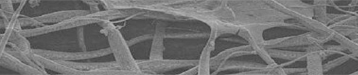
16 microns diameter
0.3 ㎡/g
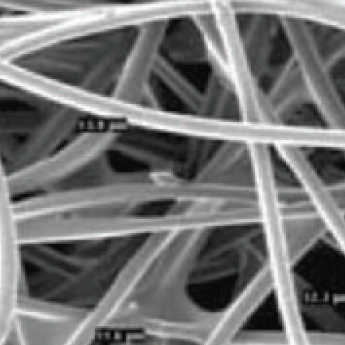
10 microns
1 ㎡/g
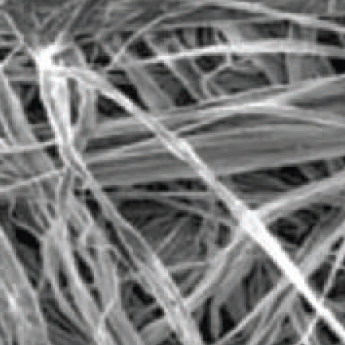
3 microns
2 ㎡/g
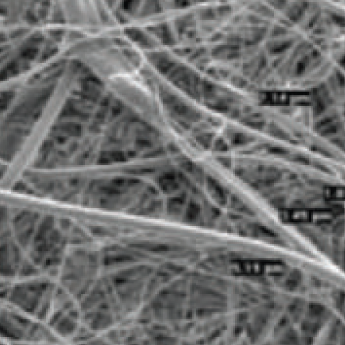
0.4 microns
8 ㎡/g
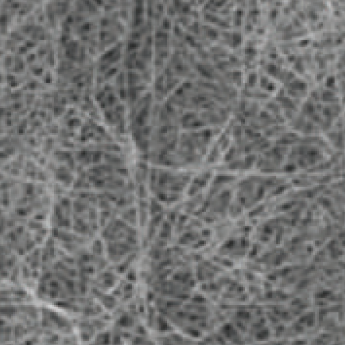
0.08 microns
21 ㎡/g
Nanofiber Applications
- Biosensors
- Wound dressing
- Wound healing ; antibacterial
- Protective clothing
- Hemostatic devices
- Antimicrobial filter

- Bones
- Cartilages
- Skins
- Blood vessels
- Neural tissues
- Others

- Chemical applications
- Biological applications
- Nano sensors
- Electronic/optical nano-devices
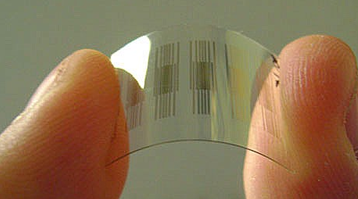
- Solar cells
- Fuel cells
- Photovoltaic cells
- Hydrogen storage
- Battery & Separator
- Printable electronics

- Noise reduction
- Desalination
- Filtration(water, Air, Engine)
- Adsorption(heavy metal ions
& organic compounds
- Insect repellent/blocking

- Enzyme for biological processes